What Happens to iPhone Camera Glass Over Time Without Protection
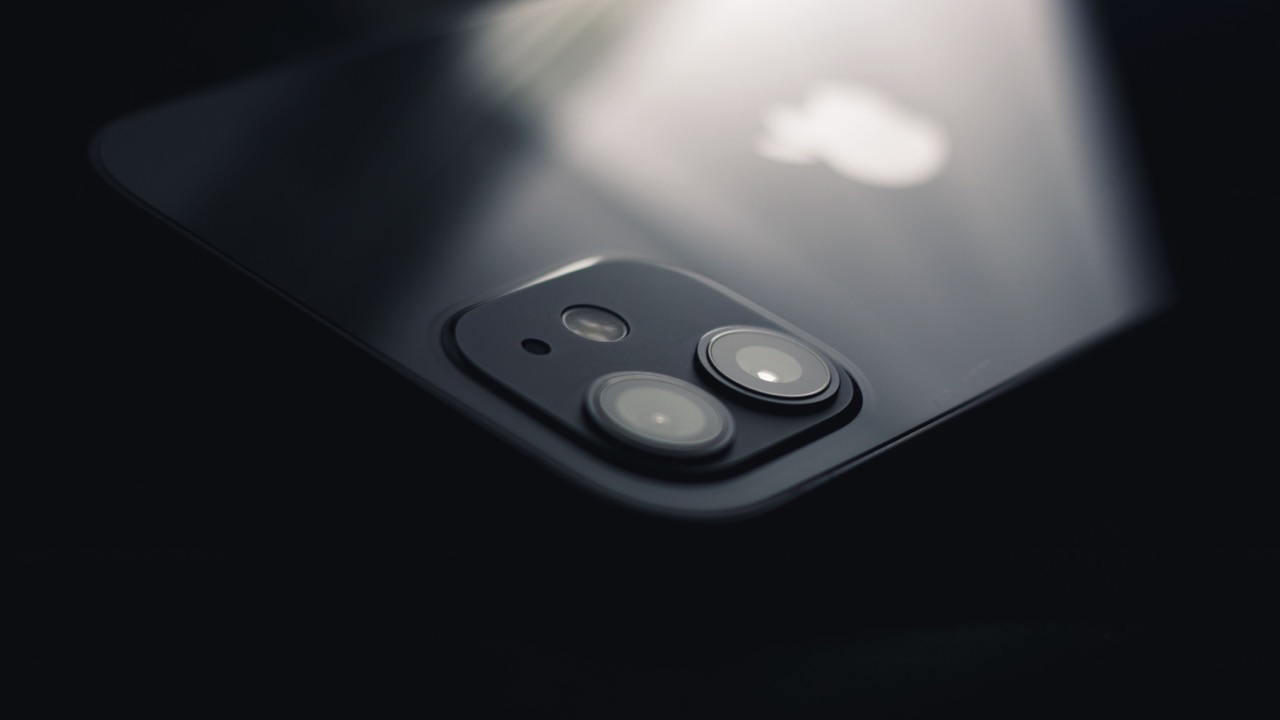
The glass covering an iPhone camera lens is harder than standard window glass, but it isn’t invincible. Most people treat the camera module as an afterthought when setting up a new phone — they put on a screen protector, pick a case, and consider the phone protected. The lens itself, which is the most optically sensitive component on the device, gets nothing.
That’s usually fine for a while. The problem is gradual, and it shows up slowly enough that most people don’t connect the dots between their aging phone and photos that look slightly less sharp than they used to.
How lens glass degrades
The glass element covering the iPhone camera isn’t just a cosmetic cover — it’s part of the optical path. Light passes through it before it reaches the actual lens elements underneath, and any degradation of that glass affects image quality directly.
The first thing that happens over months of daily use is micro-abrasion. Keys in a pocket, grit on a table surface, the fabric of a bag — none of these seem like threats to the camera, and any single contact usually isn’t. But repeated friction from abrasive particles leaves behind fine scratches that accumulate invisibly. You can’t see individual micro-scratches with the naked eye, but their combined effect on image quality is real.
These scratches scatter light. Instead of passing cleanly through the lens cover, light gets refracted in small, random directions. The result in photos is reduced contrast, a slight haze or milky quality in bright-light conditions, and lens flare that appears in shots where the light source is at an angle. If you’ve noticed that photos from your phone look a bit flat compared to what you remember when the phone was new, micro-abrasion is one possible explanation.
The flare problem
Lens flare from a scratched camera cover is one of the easier symptoms to notice because it’s inconsistent — it appears in some shots and not others, which makes people attribute it to lighting conditions rather than the camera itself.
What’s actually happening is that the scratches are acting like a diffraction grating. When a bright light source hits the scratched surface at certain angles, it produces artifacts — streaks, halos, or washed-out areas — that wouldn’t appear on a clean lens. I started noticing this on my previous phone about a year and a half in: outdoor shots in direct sun started showing halos around windows and light fixtures that hadn’t been there before. I assumed it was just the phone’s processing. It wasn’t.
Sand and grit are the real enemy
Fine scratches from fabric are annoying. Sand and grit are categorically worse. Sand particles are silica — they’re harder than the glass they’re contacting, which means contact leaves actual gouges rather than the fine micro-abrasion you get from softer materials.
One beach trip, one hike on a dusty trail, one weekend where the phone sits face-down on a sandy surface — these are the situations where visible damage can appear from a single outing. A scratch you can see with the naked eye, the kind that shows up as a line across photos, typically takes only one event with a hard enough particle.
The lens module design on recent iPhones makes this worse in one specific way: the camera bump protrudes from the back of the phone. When the phone is set down flat on a table or slipped into a bag, the lens is often the contact point. On a soft surface, this is fine. On anything with grit, the lens is making direct contact with the abrasive material under the phone’s own weight.
What actual optical damage looks like in photos
The visible effects of lens damage follow a rough progression. In the early stages, you’ll notice that images in bright outdoor conditions have slightly less pop — reduced contrast and micro-contrast, which makes the image look a bit flat or processed-looking even when you haven’t applied any filters. This can be subtle enough to miss if you’re not comparing against a reference.
As damage accumulates, autofocus can become inconsistent. The camera software uses contrast detection to focus, and when contrast across the image is degraded by the lens condition, the focus system has less reliable information to work with. You may notice shots that are slightly soft when they should be sharp, or the camera taking longer to lock focus.
In more severe cases — a deep scratch or a significant impact — you’ll see a physical artifact in images: a smear, a dark area, or a consistent streak that appears in the same position in every shot.
The cost argument
iPhone camera module replacement is not cheap. A front-facing camera replacement typically runs around $80–150 depending on the model. The rear camera system on recent iPhones, with multiple lenses and the associated hardware, costs significantly more — $200–400 is common for out-of-warranty service on current models.
A lens protector costs a fraction of that. The math is obvious, but the psychology isn’t — people don’t think about the repair cost when buying accessories because the damage feels hypothetical. It only feels concrete after it happens.
Why the protector matters more on recent iPhones
The camera systems on recent iPhone models have larger lens elements than older iPhones. The Pro models especially have physically larger lenses to allow more light capture. A larger lens element has more surface area exposed to potential abrasion. It’s also, for most people, a more important part of the phone — the camera is the feature they use most heavily.
Using an iphone camera cover is straightforward: most are tempered glass, applied directly over the lens module, optically clear enough that they don’t affect image quality in normal use. The glass in a quality lens protector is harder than the lens cover itself, so it takes the abrasion instead of letting it reach the original glass.
The setup most people overlook
A case protects the phone body and absorbs impact. A screen protector protects the display. Neither does anything for the camera. All three of these things have been standard phone setup advice for years, but lens protection is still treated as optional in a way that doesn’t quite make sense given what the camera is worth — both financially and in terms of what people actually use their phones for.
The iPhone camera has become good enough that people plan trips around it, use it as a substitute for dedicated cameras, and store years of photos on it. Treating the glass that sits in front of that camera as an afterthought is a gap in the standard approach to protecting the phone.