How Material Choice in a Lunch Box Actually Affects the Meal Experience — Not Just the Product
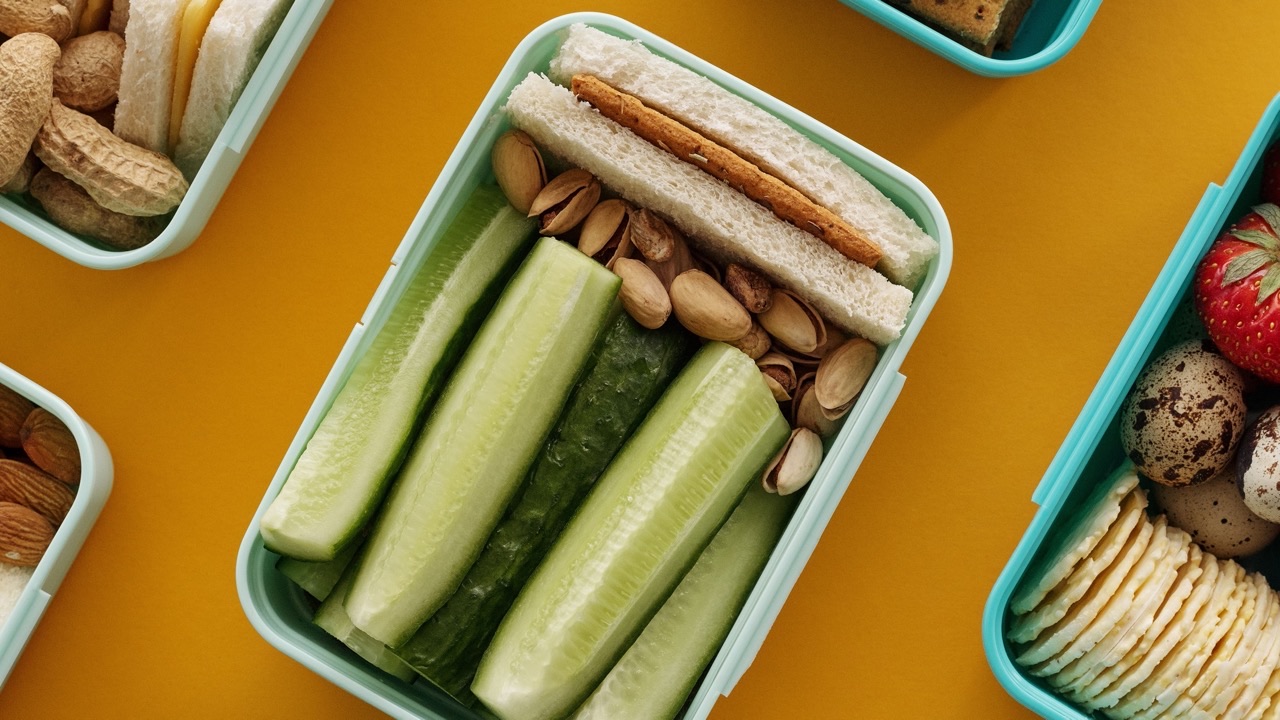
Lunch box materials get discussed mainly in terms of product specs — food-grade certification, BPA-free status, weight, price. These are all relevant, but they’re not what you actually experience when you use the box every day. The experience is more specific than that: whether the food tastes the way it’s supposed to, whether cleanup takes three minutes or ten, whether the container still performs the same way after a year of use. Those outcomes trace back to material properties, but in ways that don’t always get explained clearly.
Stainless steel: what it does well and where it creates friction
Stainless steel’s strongest attribute for food containers is inertness. It doesn’t absorb odors, it doesn’t take on flavors from previous meals, and it doesn’t react with acidic foods the way some other materials can over time. A stainless steel lunch box that held fish on Monday and fruit on Tuesday won’t carry any olfactory evidence of Monday into Wednesday. For people who rotate through varied meals, this characteristic is more valuable than it sounds.
The thermal properties are a mixed result. Stainless steel conducts heat quickly — a single-wall stainless container with hot food in it will be too hot to hold without some kind of sleeve, and it won’t maintain that heat for long without vacuum insulation. Vacuum-insulated stainless containers solve the retention problem but add weight and bulk. For cold storage, single-wall stainless performs fine as long as it’s kept out of the sun; it doesn’t insulate well enough to maintain low temperatures passively for more than a couple of hours in a warm environment.
Weight is the genuine constraint. A stainless steel lunch box is noticeably heavier than plastic equivalents of the same volume. For someone carrying a full bag through a commute, the difference is felt. This isn’t a dealbreaker, but it’s a real consideration for daily-carry use cases rather than desk-based eating.
Cleaning is straightforward. Stainless steel releases food without residue for most common meals, dishwasher-safe versions exist across the product range, and there’s no surface coating to degrade over repeated washing.
Plastic: where it fits and where it doesn’t
Polypropylene and Tritan plastics — the materials used in quality food-storage containers — are light, durable, and available in a wide range of form factors. For everyday lunch transport, they work well. The lid mechanism and seal quality varies significantly across the market, but well-designed plastic containers seal reliably and hold liquid without issue during transport.
The limitations of plastic become more apparent over time than they are at purchase. Even with food-grade polypropylene, some degree of odor absorption occurs with strong-smelling foods over repeated use. Curry, fish, and some pickled foods leave trace odors in plastic containers that washing reduces but doesn’t always eliminate entirely. This isn’t a hygiene problem — properly cleaned plastic containers are safe — but it’s a sensory one that users with varied meal rotations notice.
Staining is similar: tomato-based sauces and some spices discolor plastic surfaces gradually. The container remains functional, but it no longer looks clean even when it is. For people who care about this, it’s an ongoing irritation.
One characteristic that plastic handles better than most alternatives is impact resistance. A plastic lunch box dropped on concrete survives; a glass container doesn’t, and a stainless steel one may dent. For environments where containers get rough handling — kids’ use, outdoor settings, work sites — plastic’s durability advantage over glass is meaningful.
Glass: the most honest assessment
Glass lunch containers have become more common as consumers have become more concerned about long-term plastic use. The appeal is legitimate: glass is genuinely inert, absorbs no odors, takes no staining, and gives a clear view of contents without any aging of the material surface. A glass container used for five years looks and performs the same as one used for five months.
The practical constraint is weight. Glass containers are substantially heavier than either plastic or stainless equivalents — a glass container with a lid can weigh twice what a polypropylene version of the same volume does. For desk workers who carry one bag a short distance, this may be acceptable. For people commuting on foot or by transit with a full bag, the weight accumulates.
Breakage is the other honest limitation. Borosilicate glass — the type used in quality containers — is more resistant to thermal shock than standard glass and considerably more durable than it appears. But it will break if dropped on hard flooring with enough force. The risk is not as high as it seems to people who haven’t used glass containers, but it’s not zero, and replacing a broken glass container is a different outcome than replacing a scratched plastic one.
What actually matters when choosing between them
The material decision is a context decision more than a quality ranking. Stainless steel suits people who prioritize longevity, odor neutrality, and don’t mind the weight. Plastic suits people who prioritize lightweight portability and variety of form factors, and are willing to manage the gradual aesthetic decline. Glass suits people who are principally concerned with material inertness and eat primarily at a desk where weight and breakage risk are lower.
For a lunch box manufacturer working across these material categories, the relevant question isn’t which material is best — it’s which material is right for the specific use case and user the product is being designed for. The experience at the table starts with decisions made in the factory.