Key Processes in Sheet Metal Fabrication Explained
The fabrication of sheet metal is one of the pillars of the contemporary production process, as it allows the industries to convert flat metal sheets into functional and complicated units. This is done by precision, engineering skills, and state-of-the-art machinery to produce parts that can be considered to be of high standards in regard to strength, durability, and performance. ShincoFab is a reputable manufacturer of custom sheet metal fabrication, which offers a wide range of services designed to cover all the production processes. When the manufacturers know the main processes behind fabrication, they can recognize the power of fabrication in creating efficiency, innovation, and quality in industrial applications.
Bending and Forming
Bending and forming are two processes that transform plane sheets into useful forms, including brackets, enclosures, and chassis parts. Manufacturers are able to obtain very accurate angles and curves with structural integrity by using CNC press brakes and other automated machinery. ShincoFab is a company that deals with complex bending tasks whose tolerances are within a range of +-0.2 mm. The company would create every part of the design and give it good functionality in the application by combining the engineering skills with the sophisticated machinery to ensure that every part would be employed as per the design. Flexibility in design is also increased through bending and forming processes, which means that the manufacturer does not have to incur too much cost and time trying to develop innovative products.
Welding/ Assembly
Both welding and assembly are necessary to produce strong and long-lasting metal components. Different methods of welding, such as TIG, MIG, and robotic welding, are applied to bring metal sheets together with strength and accuracy. ShincoFab incorporates automated welding mechanisms to minimize human error, enhance consistency, and manufacture clean joints applicable in rigorous applications. Final products are manufactured to structural and functional requirements by assembly processes that might involve fastening, alignment, and assembly of subcomponents. With close management of such processes, ShincoFab can provide parts and assemblies that can be easily used in industries and are reliable.
Surface Finishing
Surface finishing is a significant process in sheet metal, and this has both practical and aesthetic benefits. Anodizing, electroplating, brushing, and polishing are used to enhance the corrosion resistance, increase the life of a metal component, and make the components look better in general. ShincoFab has diverse finishing options that are individualized to suit the demands of individual clients. Removing all the decorative features, medical or industrial appliances, the company tries to make sure that each component of any item not only works well but also looks and lasts.
Design to Manufacture
A point that has been frequently neglected in sheet metal fabrication is the incorporation of design for manufacturability (DFM) concepts. This method entails the assessment of the designs during the initial stages of the project to minimize material wastage, eliminate any tensions during the assembly process, and improve efficiency in the production process. The engineering department of ShincoFab collaborates with the clients to give feedback to DFM on maximizing the structure of the parts to achieve a smooth fabrication process. Manufacturers are able to prevent costly rework, enhance the quality of products, and minimize lead times by taking into account material properties, bending constraints, and assembly considerations during the design phase.
Quality Control
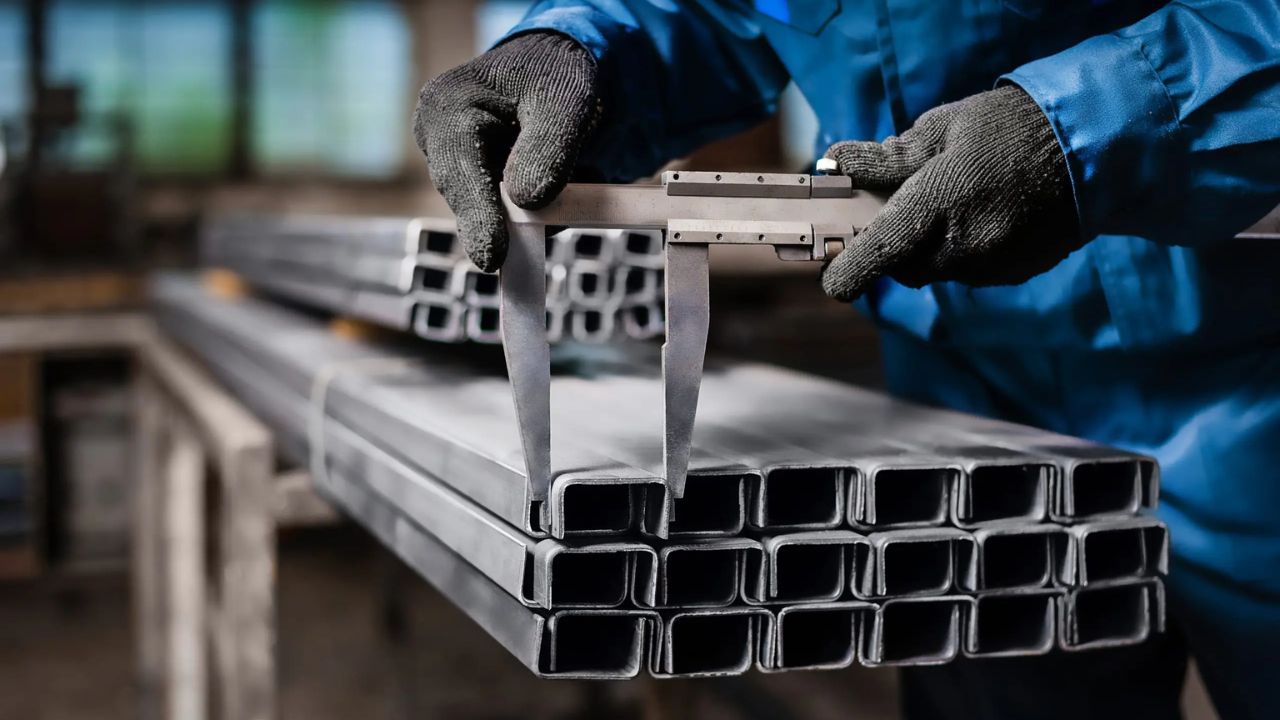
One of the essential parts of any sheet metal fabrication process is quality control. Dimensional inspection, visual inspection, and proper measurements are made to ensure that the individual parts are made to the best standards. To eliminate defects during delivery, ShincoFab uses coordinate measuring machines and other superior inspection instruments to check tolerances. The company ensures that each of its components has a consistent performance, durability, and reliability through strict quality control in its production process. Such accuracy is critical in processes where a small variation can make the difference in either functionality or safety.
Conclusion
The knowledge of the important processes involved in the fabrication of sheet metal brings out the importance of this technology in the current manufacturing processes. Since laser cutting and CNC punching are followed by bending, welding, surface finishing, and quality control, each of these steps is important in the creation of the precise, durable, and functional components. ShincoFab is a great example of how modern equipment, professionalism, and strict quality control may result in outstanding outcomes. Through getting control of these processes, manufacturers will be able to develop innovative products, enhance efficiency, and meet the challenging demands of the current industrial environment. Fabrication of sheet metal is one of the factors that have contributed to reliability, precision, and the development of modern manufacturing in the world.