Washing Your Hands to Flush the Toilet: Does the Maths Actually Work Out?
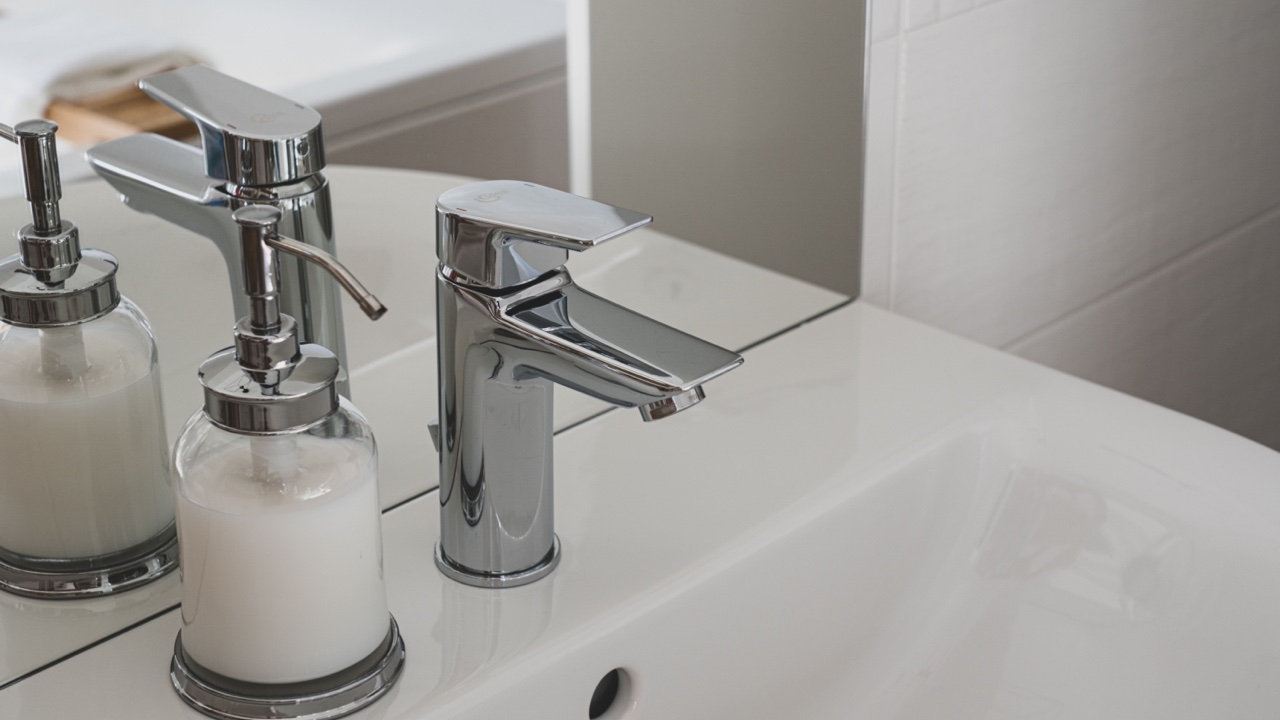
The idea behind a combined toilet and basin unit is straightforward: the water you use to wash your hands drains into the cistern instead of going straight down a waste pipe, and that water gets used for the next flush. It’s called greywater recycling, and it’s been around long enough that you’d think there would be a clear answer by now on whether it actually saves a meaningful amount of water. The answer is yes — but with some context that’s worth understanding before you decide whether this type of unit makes sense for your situation.
The Numbers, Simply Put
A standard UK toilet flush uses between 4 and 6 litres of water per flush, depending on the cistern size and whether you’re using the half flush or full flush option. A typical handwash uses around 1 to 2 litres.
In a household where the downstairs WC is used regularly throughout the day — say, 8 to 12 uses daily across a family — the cistern refills from fresh mains water each time. With a greywater-recycling combined unit, some portion of that cistern water comes from handwash water that would otherwise be wasted. Not all of it — the handwash volume doesn’t fully replace what a flush uses — but enough that the cistern draws less from the mains supply per cycle.
A reasonable estimate for a typical household is a reduction of around 20 to 30% in water usage for that specific toilet, depending on how often the handwash precedes the flush rather than following it. Over a year, across a cloakroom that gets consistent use, this translates to several thousand litres. On a metered water supply — which increasingly applies to UK households — that’s a real reduction in water bills, typically in the range of £10 to £25 per year for a single WC depending on your tariff.
Where the Saving Is Real and Where It Isn’t
The savings are most meaningful in a WC that gets frequent use throughout the day. A downstairs cloakroom used by visitors and family members regularly is the ideal case. A guest bathroom that’s used occasionally will see less benefit, simply because the volume adds up more slowly.
The saving is also more significant if you’re replacing an older toilet with a large cistern — anything installed before the mid-2000s in the UK may be using 7.5 or even 9 litres per flush. Replacing that with a modern dual-flush combined unit reduces consumption on both the flush volume and the mains water supply side simultaneously.
Where the argument is weaker: if your water supply is unmetered and you’re paying a flat rate regardless of usage, the financial case is straightforwardly zero. The environmental case still holds — using less water is still better regardless of billing — but the return-on-investment calculation changes entirely.
The Cold Water Question
One practical point that tends to come up: the basin on a combined unit is cold water only. The water draining into the cistern needs to be cold — adding hot water to the system would affect the internal mechanism and create hygiene issues in the cistern. So handwashing is done with cold water.
For a downstairs WC used for quick visits throughout the day, most people find this acceptable. For a bathroom that someone uses for a longer morning routine, it’s more noticeable. It’s worth thinking about the specific use context of the room before committing to this type of unit.
Honest Assessment
A toilet with sink on top is a genuinely useful product for the right situation — a compact cloakroom on a metered supply that gets regular daily use. The greywater recycling system works as described and the water savings are real, even if they’re modest on an annual basis.
What it isn’t is a significant environmental gesture that transforms a household’s water consumption. The savings are worth having, and over the life of the unit they add up, but the primary reason to choose this type of toilet is the space saving, not the water saving. The greywater recycling is a secondary benefit that makes a space-saving choice slightly more efficient — not a headline feature that changes the economics of a bathroom renovation on its own.
If the cloakroom is small enough that fitting a separate basin and toilet is genuinely difficult, and the supply is metered, the combined unit is the right answer. If neither of those things is true, the decision should probably rest on other factors.